Key points
- AGPC supplied 360 kilometers of steel pipe for a major UAE oil pipeline project.
- AI systems at production facilities monitor quality and detect potential defects in steel.
- The company uses multiple ports to mitigate risks from disruptions in maritime shipping lanes.
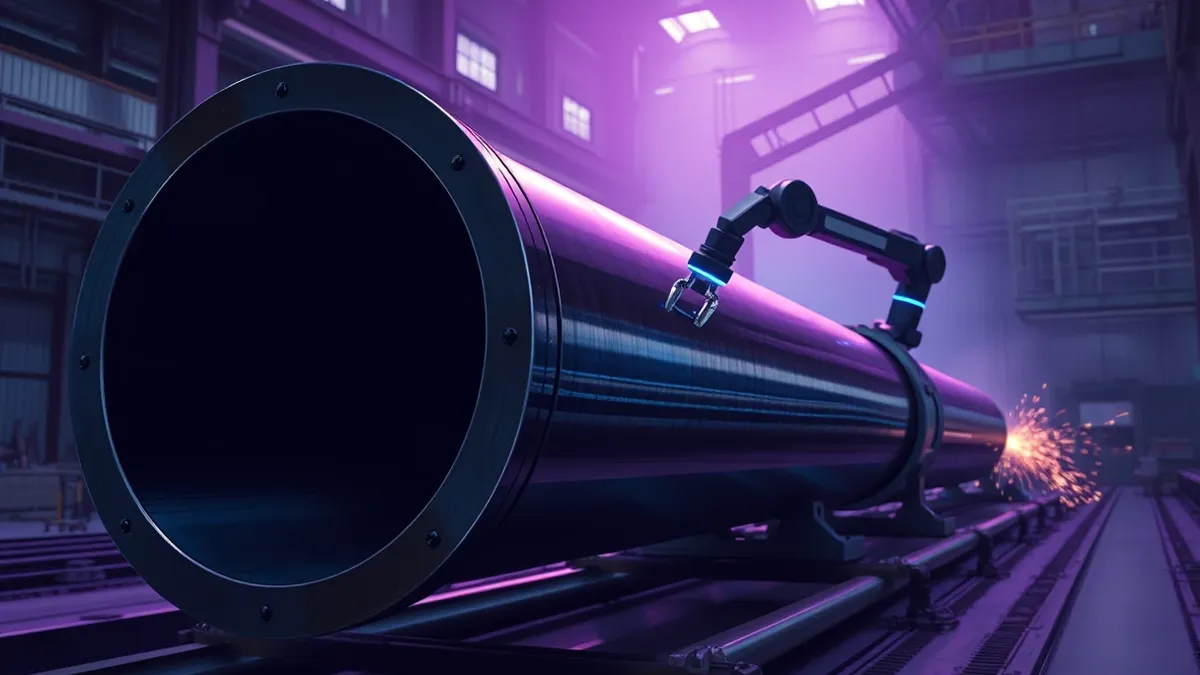
Al Gharbia Pipe Company in Abu Dhabi is deploying artificial intelligence to improve production quality for steel pipes used in critical energy infrastructure. This move supports the construction of alternative supply routes amid ongoing geopolitical risks to traditional maritime transport corridors.A pipe maker in Abu Dhabi is using smart technology to check for flaws in steel pipes used for oil pipelines.AGPC is implementing AI-driven quality assurance and digital production management systems to secure supply chains for strategic energy infrastructure.
What was released or claimed
Zawya reported that AGPC announced the implementation of technological solutions to enhance the safety and reliability of its steel pipe supplies.reported The company stated it has provided approximately 360 kilometers of pipes, weighing 220,000 tons, for a major oil pipeline project designed to offer an alternative export route for UAE oil.
Who it affects
The initiative primarily impacts energy producers and international traders who rely on stable oil and liquefied natural gas supplies. It also affects logistics operators managing imports of steel plates and exports of finished pipes through Persian Gulf and Gulf of Oman ports.
What is still unknown
The source material does not specify the exact AI models or software vendors used for quality control. It also does not detail the specific financial costs or timeline for full deployment of these automated systems across all production lines.
What changes, what does not
AGPC now uses AI for defect detection and safety monitoring, aiming to reduce dependence on vulnerable maritime routes like the Strait of Hormuz. The fundamental reliance on steel pipe infrastructure for energy transport remains unchanged, but the production oversight mechanism has shifted toward digital management.
Methods and limits
The research describes AGPC's use of AI for quality control and safety monitoring at production facilities. Reported results include improved traceability and defect detection.reported Stated limitations are implicit: the system relies on existing automated lines and digital management, and its effectiveness is tied to the stability of port logistics for material flow.
Why it matters
- AI platform architects can observe industrial applications of computer vision for defect detection in heavy manufacturing environments.
- The integration of AI with digital production management demonstrates a pathway for enhancing supply chain resilience in critical infrastructure sectors.
- This case highlights how automation supports strategic goals like reducing geopolitical risk in energy transport, offering a template for other industrial AI deployments.
- The use of multiple port logistics as a buffer for AI-driven production offers insights into hybrid physical-digital risk mitigation strategies.
Topics: industrial AI, quality control, energy infrastructure, supply chain, Middle East
Updated
Then / now / next
AGPC manufactured steel pipes for oil and gas pipelines.
The company is implementing AI and automation for quality control and safety monitoring.
The impact of these technologies on long-term supply chain resilience remains to be seen.
Story timeline
- Then AGPC manufactured steel pipes for oil and gas pipelines.
- Now The company is implementing AI and automation for quality control and safety monitoring.
- Next The impact of these technologies on long-term supply chain resilience remains to be seen.
The strongest doubt
Counterpoint from the sources
The source material does not provide independent verification of the AI systems' performance metrics or cost-benefit analysis compared to previous methods.
For readers
Business
- AGPC's AI deployment aims to reduce supply chain risks associated with geopolitical disruptions in maritime routes.
Researchers
- The case illustrates the application of AI for defect detection and traceability in heavy industrial manufacturing.
Investors
- The initiative supports the UAE's broader strategy to diversify energy export routes and enhance infrastructure resilience.
Ask the article
Local keyword search of this article; no generated answers.Did this article give you the evidence you needed?
Your choice stays on this device. No public tally.Questions readers ask
How does AGPC use AI in its production process?
AGPC uses AI systems to monitor quality, detect potential defects in steel pipes, and help prevent workplace accidents.
What is the purpose of the new pipeline project?
The project aims to provide an alternative route for oil exports from the UAE, reducing dependence on vulnerable maritime transport routes.
Which ports does AGPC use for logistics?
The company uses Khalifa and Jebel Ali ports in the Persian Gulf and Fujairah on the Gulf of Oman to manage imports and exports.
Reading receipt
- AGPC supplied 360 kilometers of steel pipe for a major UAE oil pipeline project.
- AI systems at production facilities monitor quality and detect potential defects in steel.
- The company uses multiple ports to mitigate risks from disruptions in maritime shipping lanes.
Still open: What specific AI algorithms are being used for defect detection?
Still open: How does the AI integration impact overall production throughput and latency?